
Other industries
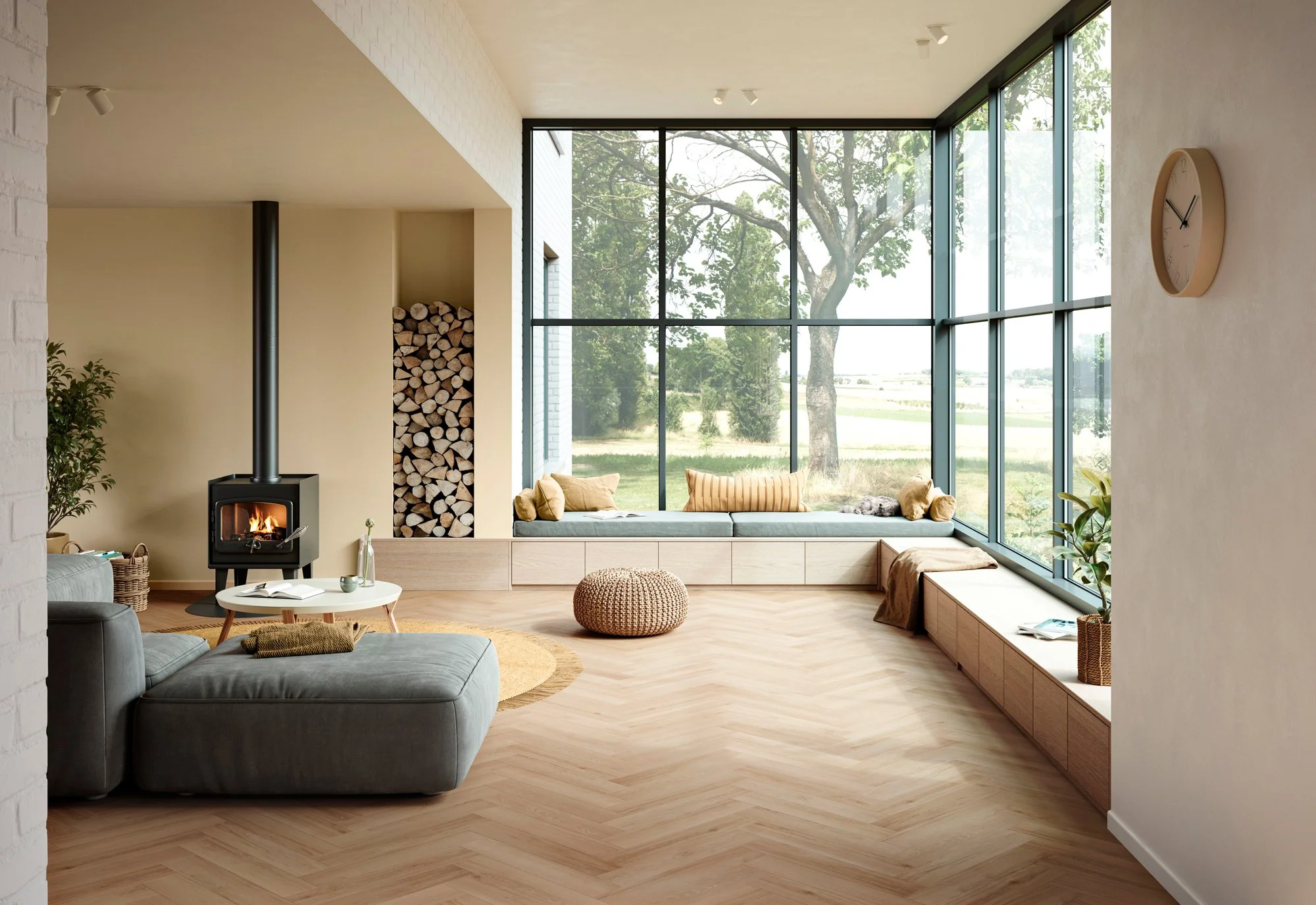

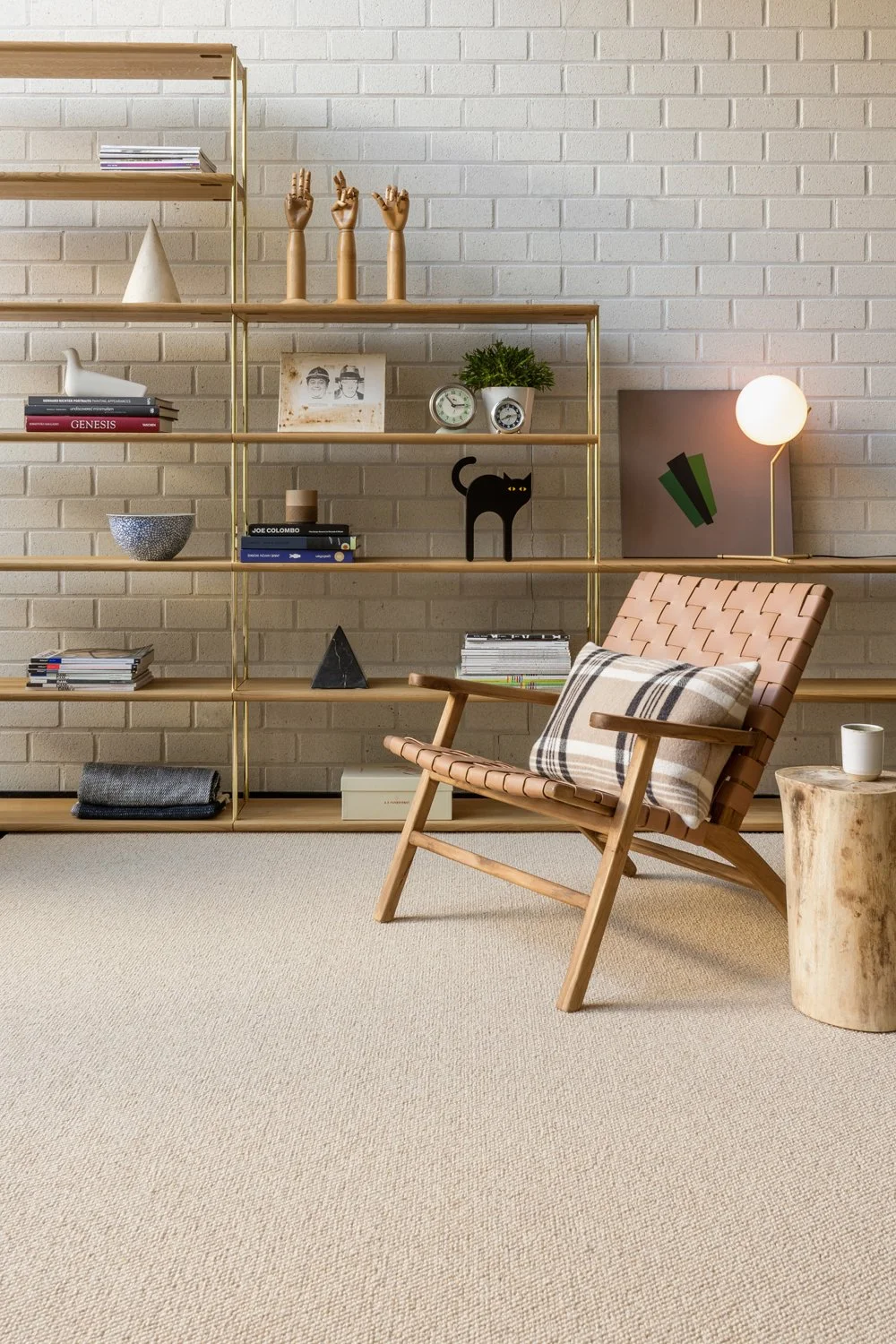
The Belgian textile industry combines technological innovation, creativity, and sustainability. From high-end interior applications to high-performance technical solutions, the sector is continuously evolving and plays a key role in sustainable and future-oriented value chains.
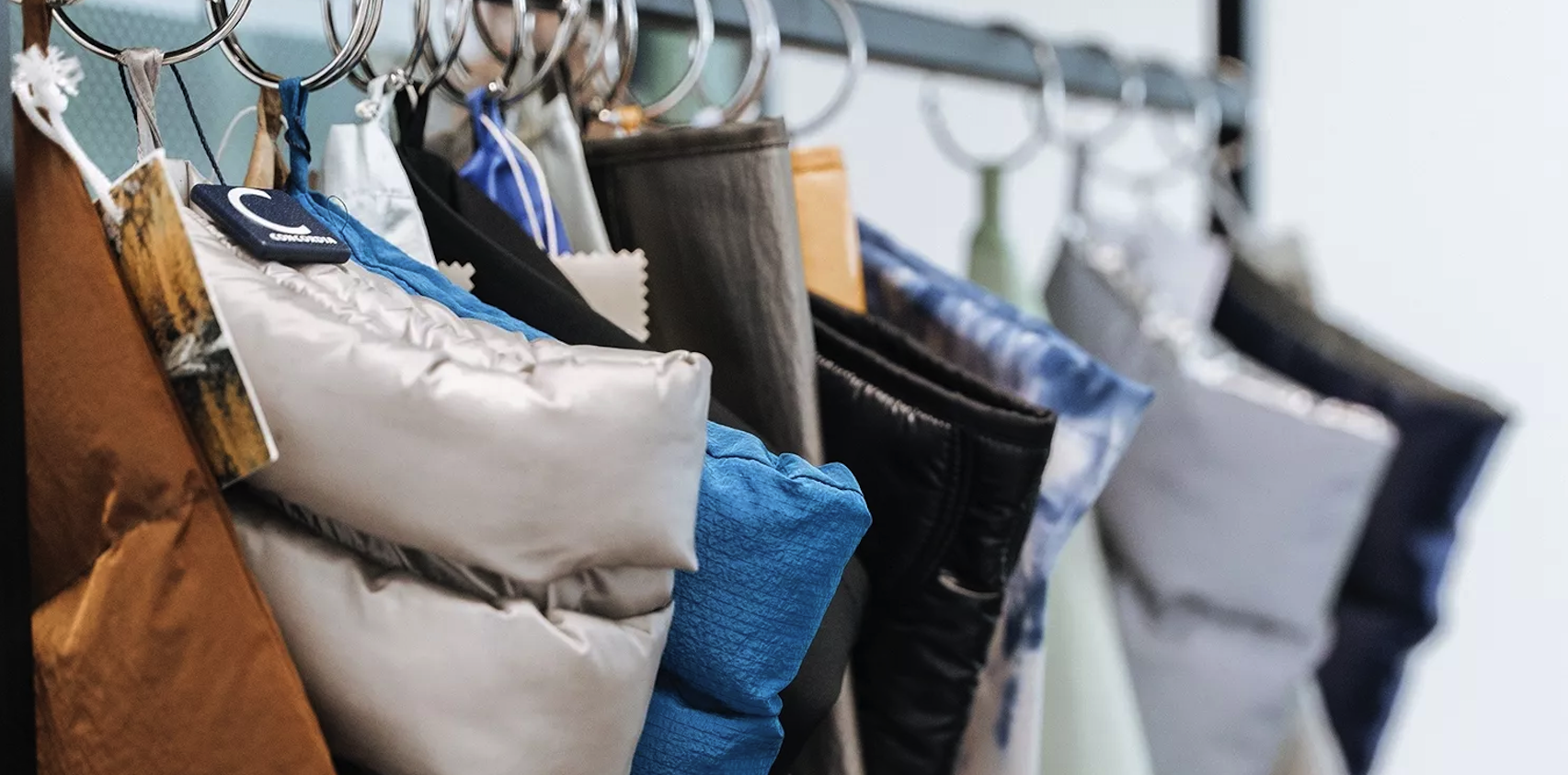
Clothing Textiles
Clothing textiles and the circular economy
In the transition to a circular economy, the sector is working together with companies and also through e.g. Flanders Circular (Production Industry Work Agenda). After all, Belgian clothing textiles manufacturers are strongly committed to switching to more circular solutions, beginning with recycled fibres.
'Circular economy' is about more than just recycling, which is obviously an important element of it. But other aspects are certainly important for clothing textiles as well. These include life extension through proper use of materials or through proper maintenance, repair and reuse of clothing. Therefore, partnerships are of great importance with e.g. textiles maintenance companies or tailoring companies that handle the repair of garments or clothing fabrics.
Exploring new horizons
The Centexbel textiles knowledge centre plays a crucial role in disseminating knowledge among textiles companies, and SMEs in particular. In this context, an annual Horizon Exploration of Clothing Textiles is organised, where updates relating to innovations, patents, standards, labelling, and legislation directly or indirectly related to apparel are all made available. Centexbel's research projects are also outlined at each event. The 2022 edition zoomed in on circularity and sustainability – and this was no coincidence. This included the Dutch Technical Agreement, NTA 8195 Circular Textiles, which could later serve as the basis for a European Standard (NEN). Within this NTA 8195, requirements and categories are defined. Another great example was the new tool 'Impact and Water Footprint Calculator' from STeP by Ökotex, an absolute first in 2022.
There is also some collaboration with HoGent's FTILab+ to build up knowledge around innovations. This includes research into the potential of hemp cultivation for (clothing) textiles applications. Hemp fibre has many advantages – ecologically, economically and regionally.
“‘Due diligence’ is becoming a defining factor in the entire clothing textiles value chain.”
Fairer competition
By pursuing a policy of due diligence, the aim is to implement processes throughout an entire value chain that make it possible to trace the risk of human rights and environmental violations, as well as taking measures to avoid and remedy them. In the context of the possible introduction of European policies in this regard, the clothing textiles sector, owing to the fact it is global in nature, is one of the sectors coming under greater attention.
An important condition regarding due diligence is that there will be no one-size-fits-all arrangement – it will be sector-specific. Moreover, the uniqueness of SMEs should not be overlooked. If realistically applied, due diligence will not only benefit people and the environment, but also lead to fairer competition across all borders. The European Directive on due diligence was originally announced for the autumn of 2021. However, because of the great importance, this was not an overnight process and the original proposal needed to be thoroughly revised. An approval is expected in the spring of 2023. Fedustria is collaborating constructively and taking initiatives to prepare our companies for it and guide them.
The Clothing Textiles product group is also following other European initiatives with great attention, for example the free trade agreements that the EU is negotiating with India, Australia, New Zealand, etc. Unfair competition from mainly China, but also Turkey, is also regularly being reported to the Belgian authorities.

Textile finishing
The activity of textile finishing is either integrated into a textile mill or carried out by independent specialist suppliers (contract finishers). Via textile finishing, colour and additional functionality are added to a textile product.
Best available techniques
The 'BREF Textiles Industry' is the European reference document containing the best available techniques (BAT) for the textiles industry. In other words, this document describes the techniques (inc. emission limits) that textile companies should apply to reduce their environmental impact. Therefore, the BREF Textiles Industry is the reference document for the government in assessing the environmental conditions for textile companies. The existing BREF dated back to 2003 and was therefore in need of some revision. After a revision process of almost four years, the new BAT conclusions for the textile industry were published in the Official Journal of the European Union on 20 December 2022. Within four years of the publication of the new BAT conclusions at the latest, companies must comply with these new provisions. In the entire preparation process, Fedustria and Centexbel have collaborated intensively and constructively.
High energy prices hit finishing companies hard
Partly as a result of the Russian invasion of Ukraine, energy prices saw an unprecedented rise in 2022. Uncertainty about adequate gas supplies caused energy prices for both natural gas and electricity to explode. Finishers, e.g. textile dyers, are energy-intensive by the very nature of their operations and were therefore faced with these skyrocketing energy costs more than average in the textile industry, which they could not possibly pass on in full. Consequently, certain companies were forced to scale back or temporarily halt their activity.
“Textile finishing companies are, by the nature of their operations, energy-intensive and thus more vulnerable to high energy prices.”
Chemicals crucial for textile finishing
To imbue textiles with colour and specific properties, chemicals are indispensable. However, the use of chemicals is increasingly restricted in the context of the European REACH. The textile sector is subject to various restrictions. For example, there is the restriction proposal for skin-sensitising substances on textiles. However, not all substances are relevant to the textile sector. The overly extensive list of substances saddles textile companies with unnecessary testing costs. The textile sector therefore is therefore urging for the restriction to be limited to a textile-relevant substance list. Also, new substances can be added only after evaluation of their textile relevance.
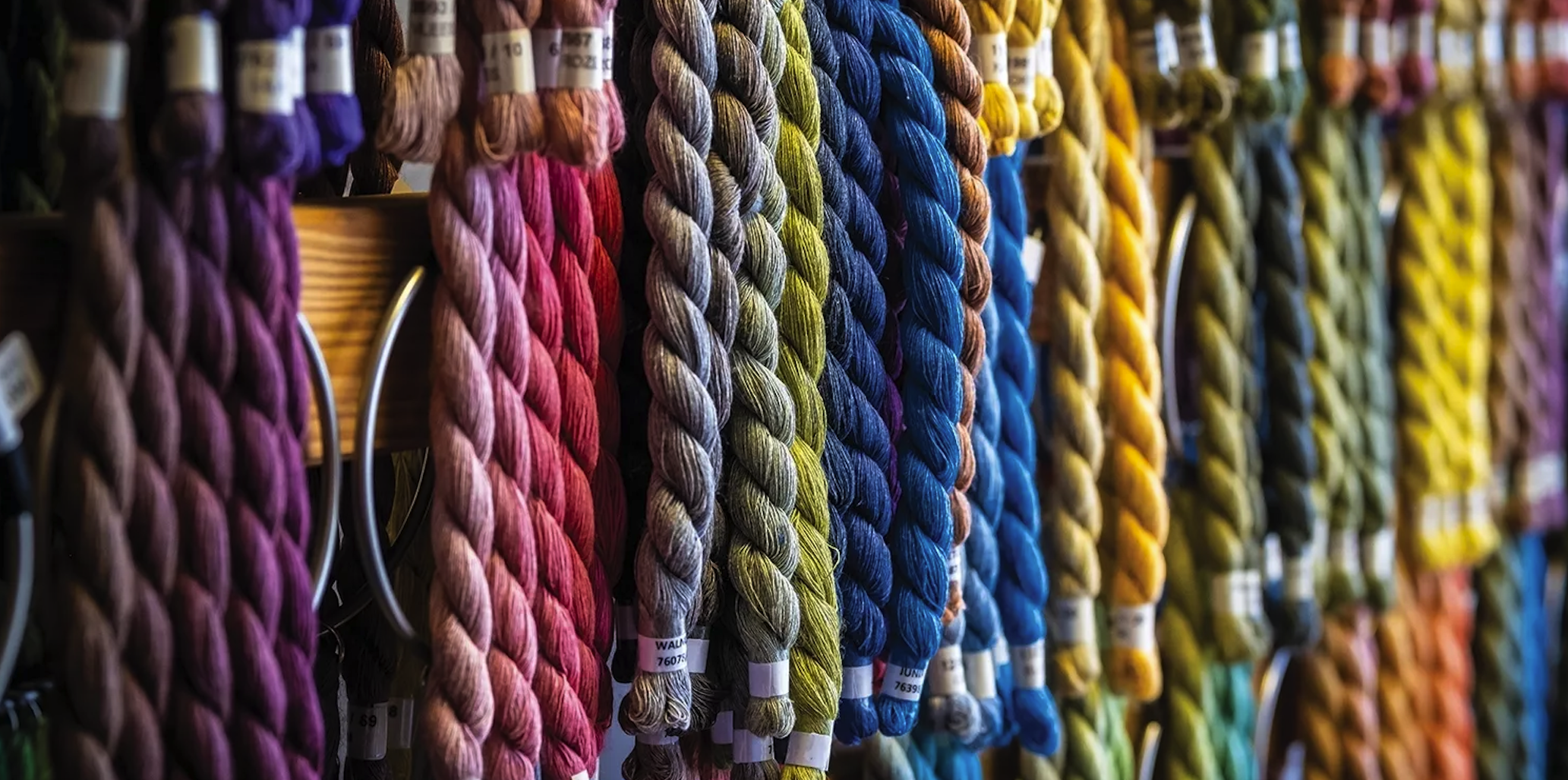
Yarn Production
Besides independent spinning mills, there are also a number of integrated spinning mills (which are part of a textile company group and in that context produce yarn for its own weaving mills).
Focus on the circular economy
The development of the circular economy is also increasingly coming to the fore in yarn production. Both to become more independent in terms of fibre supply and to use fewer primary raw materials, the circular economy is on the rise. Customers, both in the private market and governments as well as consumers, are pushing towards ecological and sustainable products. Still, recycling old textile materials into new fibres that can be re-spun remains a major challenge. Above all, it is no easy task to end up with at least as high-quality fibres, such that we can speak of a truly circular economy in textiles. The research and development of e.g. recycling of textile waste is progressing, and is already succeeding in the case of production waste (reasonably 'homogeneous'), but post-consumer textile waste is far more difficult. The input from the Centexbel textile technology centre is indispensable here.
Research into spinning 'new fibres' is also in full swing. One example is the research into the use of hemp fibres. This fibre has some great ecological assets. Among others, Hogent's FTiLab+ is actively involved in this research.
And during this whole ecological transformation process, Belgian yarn producers must also remain competitive against yarn suppliers such as Turkey and China, which do not follow the same rules of the game.
“Yarns are an indispensable stage in the textile value chain. Specialism and sustainability are its strengths.”
Specialist Niche
Across the Belgian textile industry, spinning is a small but specialist niche with a share of around 2%. Yarns are produced either by independent spinning mills, or integrated spinning mills (which are part of a textile company group and which produce yarn for its own weaving mills). Cotton-type spinning mills are the largest group in the total yarn production in Belgium (excluding extrusion). Yarns are an indispensable stage in the textile value chain. The main fibres used are cotton and polyester, although a wide range of synthetic yarns are also produced.